
-
Serwery Storage
-
-
Serwery Storage
test -
img
-
-
-
Serwery Storage
test -
img
-
-
-
Serwery Storage
test -
img
-
-
-
Serwery Storage
test -
img
-
-
Search Blog
Blog Categories
Recent Posts
-
Dec 23, 2025 visibilityRead more -
Dec 15, 2025 visibilityRead more -

Dec 9, 2025 visibilityRead more -
Dec 1, 2025 visibilityRead more -

Nov 30, 2025 visibilityRead more -

Nov 21, 2025 visibilityRead more
Software
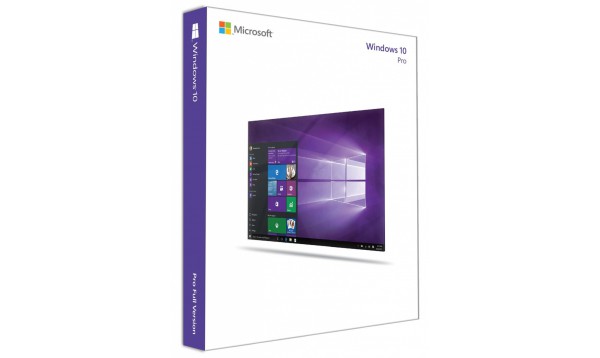
Server hardware is not only about hardware, but also about server software. Among other things, there are Windows Server operating systems, which are specially prepared to support server systems. We often also need additional CAL and RDS licenses that will streamline our work. We also offer a wide range of office software (for example Microsoft Office) and antivirus programs. At the Bizserver store you can also purchase systems and programs for home computers.

- Obecnie brak na stanie
- Obecnie brak na stanie

Server software
A computer and a server are useless tools without the right software. The operating systems market is currently valued at 35 billion dollars and is expected to grow further in the coming years – it will reach a value of over 37 billion. And that is only operating systems! The market for business software is even larger. According to Statista, it generates revenues of around 200 billion dollars. The outlook for this industry is very promising and further growth is expected in the coming years. The author of the first computer program in the world stored in electronic form, Tom Kilburn, certainly could not have foreseen in 1948 that the entire industry would develop so rapidly.
Server software – a very important issue
Today, server software plays an extremely important role in security, data management and ensuring system continuity. Its tasks include handling server applications, filtering traffic, integrating services and maintaining a high level of security. The choice of the right solution should take into account factors such as:
- stability,
- reliability,
- ease of use,
- an intuitive interface, and
- available technical support.
In practice, properly selected server software has a direct impact on the stability, reliability and high-performance operation of the entire IT infrastructure. Modern server solutions enable effective resource management, access control, data protection and environment scalability as the company’s needs grow, including for small businesses. It is worth paying attention to hardware requirements, the number of processor cores and compatibility with the chosen platform, regardless of whether it is based on Windows or Linux systems and Linux distributions.
Operating system – the basic server software
For a server to fulfill its role, it needs an appropriate operating system. The leader in this category is Microsoft, whose flagship product for servers, Microsoft Windows Server, is one of the most popular operating systems in the world. Bizserver’s catalog also includes other server programs that no office can do without, such as the well-known Microsoft Office suite, which consists of a range of applications necessary for working with text, spreadsheets and presentation software.
We offer software under various licenses, for example Home or Business versions, as well as Microsoft 365 packages in different editions, enabling cloud work and communication with colleagues via Teams. Our offer is tailored to your needs – you can decide for yourself which type of license will be needed in a given situation.
A separate category in the Software section is Windows Server – an ideal tool for those who want to use remote desktop functions from anywhere in the world or control the operation of server units via a dedicated terminal. This is much more convenient than connecting a separate laptop or a monitor and peripherals to the server machine for configuration or monitoring its operation.
Windows Server systems (including modern editions such as Windows Server 2025) are available in Standard and DataCenter variants. This allows you to choose a solution that matches the scale of the environment and the company’s needs. Active Directory, Remote Desktop Services, SQL Server, advanced access control mechanisms and other built-in features support the proper operation of the IT infrastructure and enable efficient deployment and subsequent optimization of the server environment.
Extended use of server software
Modern server systems play a key role in the daily functioning of enterprise IT infrastructure. Solutions based on Windows Server make it possible to perform tasks such as:
- file sharing,
- handling network services,
- central user management, and
- integration with other Microsoft systems.
In practice, Windows server software is used both in on-premises and hybrid environments.
The choice of the appropriate system edition should take into account the number of users and workstations, as well as the licensing model based on Client Access Licenses (CAL). Depending on the scale of the deployment, Essentials, Windows Server Standard or Windows Server 2025 Standard editions are used. The differences between them include available features, virtualization, expansion capabilities and the cost of maintaining the entire environment.
Server software is also very often used to manage databases and handle databases used by business systems. Examples include solutions such as Exchange Server (responsible for corporate email) or Power BI analytics platforms (supporting data monitoring and analysis). Such use is crucial for efficient business decision-making.
In some cases, IT infrastructure is based on alternatives to the Microsoft ecosystem. Popular choices include Linux systems such as Ubuntu Server or Red Hat, which work well in environments requiring high flexibility and configuration control. Regardless of the chosen platform, stability, security and the ability to automate and monitor system operation are of key importance.
Server systems are increasingly being integrated with cloud solutions such as Microsoft Azure. This makes it possible to combine on-premises resources with the public cloud. Such an approach enables flexible infrastructure scaling, the use of virtualization mechanisms based on Hyper-V and provides complete information about the state of the IT environment in one place.
Antivirus server software
The main issue for a company is the security of data and the network itself. While firewall devices or appropriate software guard access to the network, antivirus programs can protect us against viruses. They ensure stable operation of all devices and protect our files from unwanted guests in the form of computer viruses.
Our antivirus software complements our offer. These programs include a range of effective solutions such as active real-time scanning of opened and run files, manually triggered protections, and more. Depending on the license, they allow you to protect one or multiple workstations and servers.
Antivirus solutions increase the level of data protection, support access control and secure server applications and resources against threats. Regular updates, effective filtering and integration with Windows and Linux systems ensure a high level of security across the entire IT infrastructure.
If you are wondering which server software to choose, our specialists are here to help. We offer a wide selection of solutions, technical support at every stage of implementation and consulting based on frequently asked questions, company needs and best market practices.
In this and all other cases, please contact our staff by phone during store opening hours or electronically. We will be happy to answer all your questions and clarify any doubts. We will also help you choose the right server software for your needs.
Modern server software for companies
When designing a server environment, it is worth considering not only the operating system itself, but also the full set of functionalities it is supposed to provide. For many organizations, comprehensive server solutions form the foundation of stable IT operations, enabling directory services, databases, email and resource sharing for end users.
The right system architecture has a direct impact on work comfort as well as on the level of user awareness regarding security and the use of corporate resources.
An important aspect when planning a deployment is the licensing model based on access licenses. Depending on the scenario, access can be assigned to a user or to a device, making it easier to align costs with the organization’s real needs. Clients using server services usually log in via a user account, and permission control is handled centrally, which significantly simplifies environment administration.
Server systems very often also serve as the backend for databases. In addition to commercial solutions, MySQL is widely used in web applications, reporting systems and internal tools. Data can be stored both on local media and in distributed network environments, depending on performance and availability requirements.
In the daily work of administrators, infrastructure services such as DHCP are also very important, as they automate IP address assignment and streamline network management. Their task is to enable the efficient operation of end devices without the need for manual configuration, which is particularly important in environments with a large number of workstations.
When choosing server software, a number of key factors must be taken into account. These include, for example, the system language version, availability of updates, compatibility with the applications in use and the real needs of users. An informed approach to technology selection makes it possible to create an environment that is stable, secure and aligned with the organization’s long-term goals.